Your Complete Guide to ADR & Dubbing
ADR (Automated Dialogue Replacement) and dubbing are essential processes in film, TV, and media production that enhance audio quality and make content accessible across languages. This guide covers everything you need to know—from the basics and technical details to cultural nuances and industry best practices—helping you understand how these techniques bring stories to life with clarity, authenticity, and global reach.
Dubbing Services: Ensuring Seamless Global Reach for Your Media
In today’s interconnected world, the demand for high-quality dubbing services has surged as businesses and content creators aim to expand their reach across diverse audiences. Professional dubbing ensures that your message transcends language barriers while maintaining authenticity and engagement, whether it’s a film, a TV series, or corporate training videos.
What Is Professional Dubbing?
Professional dubbing replaces original dialogue with a translated version, ensuring lip sync, tone, and cultural accuracy to maintain the content’s intent and emotion.

The Role of Cultural Sensitivity in Dubbing
Effective dubbing requires cultural awareness to adapt humor, idioms, and references, helping content resonate without offending or confusing the audience.
Key Differences Between Dubbing and Subtitling
Dubbing replaces spoken dialogue with new audio in another language, while subtitling adds translated text. Dubbing is often preferred for immersive viewing.
Why Accuracy Matters
Accurate dubbing ensures clarity, maintains content integrity, and builds trust—key for both large-scale and smaller localization projects.
Tips for Choosing a Dubbing Provider
Choosing the right provider ensures quality results. Ask key questions and assess their experience, accuracy, and production process.
Essential Questions to Ask
- Do they have experience with similar projects?
- How do they ensure linguistic and cultural accuracy?
- Is there a dedicated team for adaptation, voice work, and post?
These help gauge quality and professionalism.
Evaluating Portfolio and Reputation
Check past work and client reviews. A solid portfolio and reputation signal the provider’s skill, especially for multilingual projects.
Importance of Technology
Modern dubbing depends on tech for quality and sync. Look for providers with advanced studios and up-to-date tools.
ADR Recording: The Art of Perfecting On-Screen Performances
Capturing authentic, crystal-clear dialogue is critical to creating compelling films and television shows. While microphones on set pick up a significant amount of dialogue, environmental noises or performance adjustments can sometimes compromise audio quality.
That’s where ADR recording comes in. ADR, or automated dialogue replacement, is an integral part of post-production that brings on-screen performances to life with pristine audio and seamless synchronization.
Understanding ADR in Film and TV
ADR (Automated Dialogue Replacement) involves re-recording dialogue in a studio to fix audio issues, enhance clarity, or adjust performance. It ensures lip-sync accuracy while preserving tone and emotion—crucial for clean, professional sound in any scene.

Why ADR Is Essential
- Enhancing Audio Quality: On-set audio often captures unwanted noise, such as wind or traffic. ADR recording eliminates these distractions, allowing dialogue to shine.
- Improving Performances: Actors can refine their delivery during ADR, ensuring their lines perfectly convey the intended emotion.
- Language Localization: ADR is essential for dubbing films into other languages, enabling global audiences to enjoy synchronized performances.
- Correcting Technical Issues: From microphone malfunctions to inconsistent sound levels, ADR resolves problems that could detract from the audience’s experience.
The ADR Recording Process
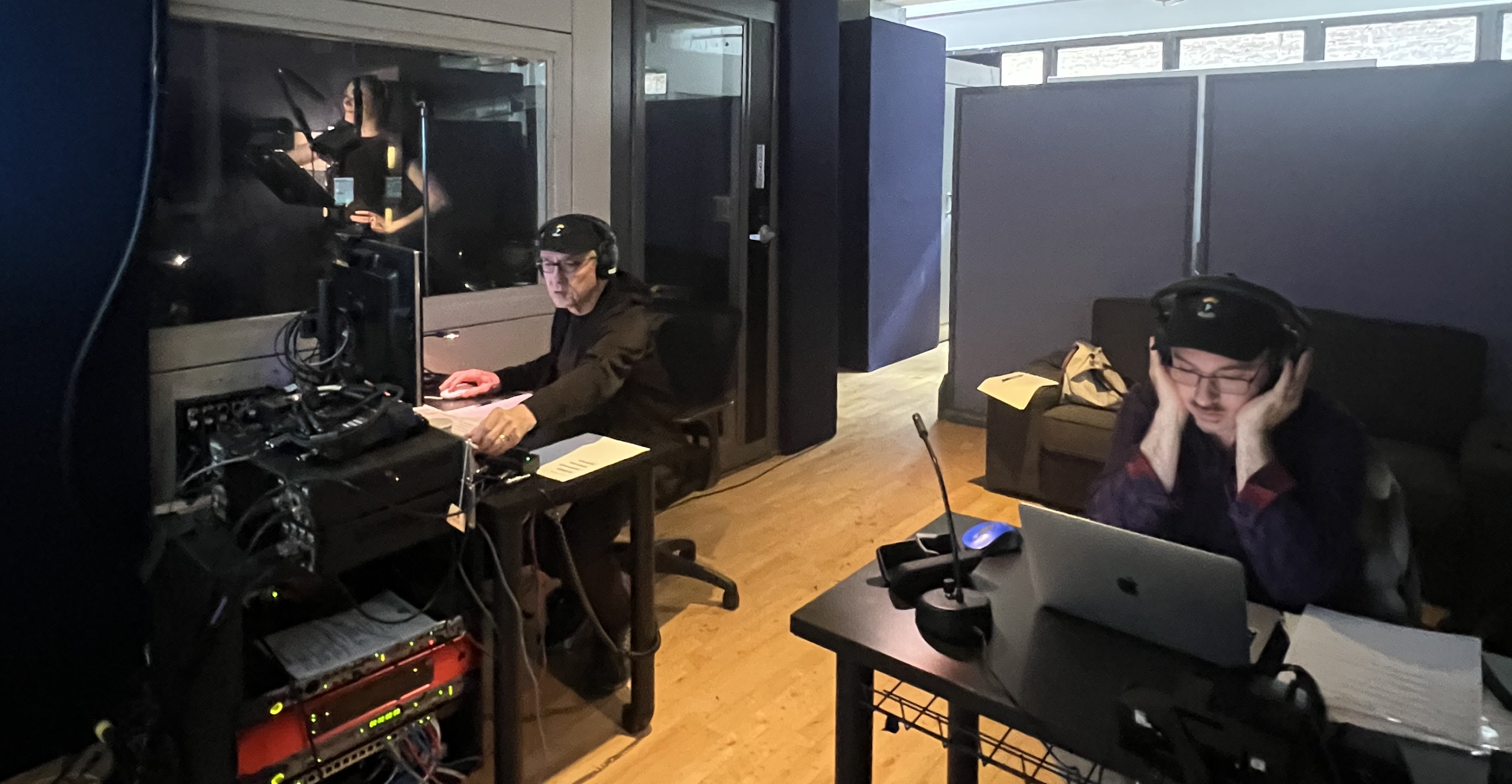
The ADR process begins with identifying the scenes that require re-recording. After isolating the problematic dialogue, actors are brought into an ADR studio, where they perform their lines while watching their on-screen movements.
- Preparation: The director and sound engineers brief the actor on the required adjustments, including tone, timing, and delivery.
- Recording: Actors deliver their lines multiple times while matching the lip movements of their on-screen performance.
- Editing and Syncing: Once the dialogue is recorded, sound engineers synchronize it with the visuals, ensuring flawless alignment.
Tools for Precision Syncing
Modern ADR studios use advanced software like Pro Tools, VoiceQ, and Revoice Pro to align dialogue with on-screen action. These tools streamline syncing and handle even complex voice matches with precision.
Common ADR Challenges and Solutions
ADR comes with hurdles, but pros know how to handle them:
- Matching Tone and Delivery: Reference footage helps actors recreate original emotion and timing.
- Syncing Issues: Skilled engineers and advanced tools ensure perfect audio-video alignment.
- Tight Schedules: Efficient planning and remote ADR options keep projects on track.
ADR Loop Group Dubbing: Enhancing Audio for Large-Scale Productions
In film and television production, voice loop group dubbing plays a pivotal role in creating the rich audio environments that audiences love. This technique, integral to post-production, enhances dialogue clarity and adds depth to the onscreen world. From bustling city scenes to intimate restaurant conversations, ADR loop group dubbing fills the gap between what was captured on set and what viewers experience at home.
What Is ADR Loop Group Dubbing?
ADR, or Automated Dialogue Replacement, involves re-recording dialogue in post-production to improve audio quality or reflect script changes. Loop group services extend this by adding background dialogue and sounds, crucial for scenes requiring a dynamic auditory backdrop without the original sound captured during filming. This method enhances audio quality and adds a layer of realism to the production.

The Purpose of Loop Group in Film
The primary function of a loop group is to create a believable sound environment that complements the visuals on screen. Whether it’s a crowded street, a noisy bar, or a quiet park, these background noises are crafted by talented voice actors who specialize in creating ambient sounds that enhance the narrative.
Examples of Effective Usage
One notable example of practical loop group usage can be found in large-scale productions where the authenticity of the environment is paramount. Films set in specific eras or locations benefit immensely from professional voice dubbing that accurately represents the linguistic and cultural nuances of the time or place, grounding the viewer in the film’s world.
Role in Immersive Soundscapes
Creating immersive soundscapes is a critical role of loop groups. In action-packed sequences or quiet, tension-filled moments, the background sounds provided by ADR loop groups can significantly impact the emotional tone and realism of the scene, making the experience more engaging for the audience.
Tips for Optimizing Loop Group Workflow
Certain strategies and workflows can be implemented from pre-production through post-production to ensure a seamless and effective ADR process.
Pre-Production Considerations
Early involvement of voice recording teams in the planning stages of a project can greatly enhance the efficiency of the loop group process. By understanding the script and the director’s vision, voice actors can prepare more effectively, ensuring that every sound added in post-production serves the story accurately and effectively.
Collaboration Between Teams
Effective collaboration between the sound team and other departments is crucial for a successful ADR session. This includes coordination with the director, sound engineers, and editors to ensure that the dubbing perfectly matches the visual cues and the overall tone of the project.
Review and Refinement Processes
The final step in the ADR process involves reviewing and refining the added audio to ensure that all elements are harmoniously integrated into the final product. This might involve several iterations of feedback and adjustments to perfect the sound landscape.
Podcast Audio Production: Crafting the Perfect Sound for Your Show
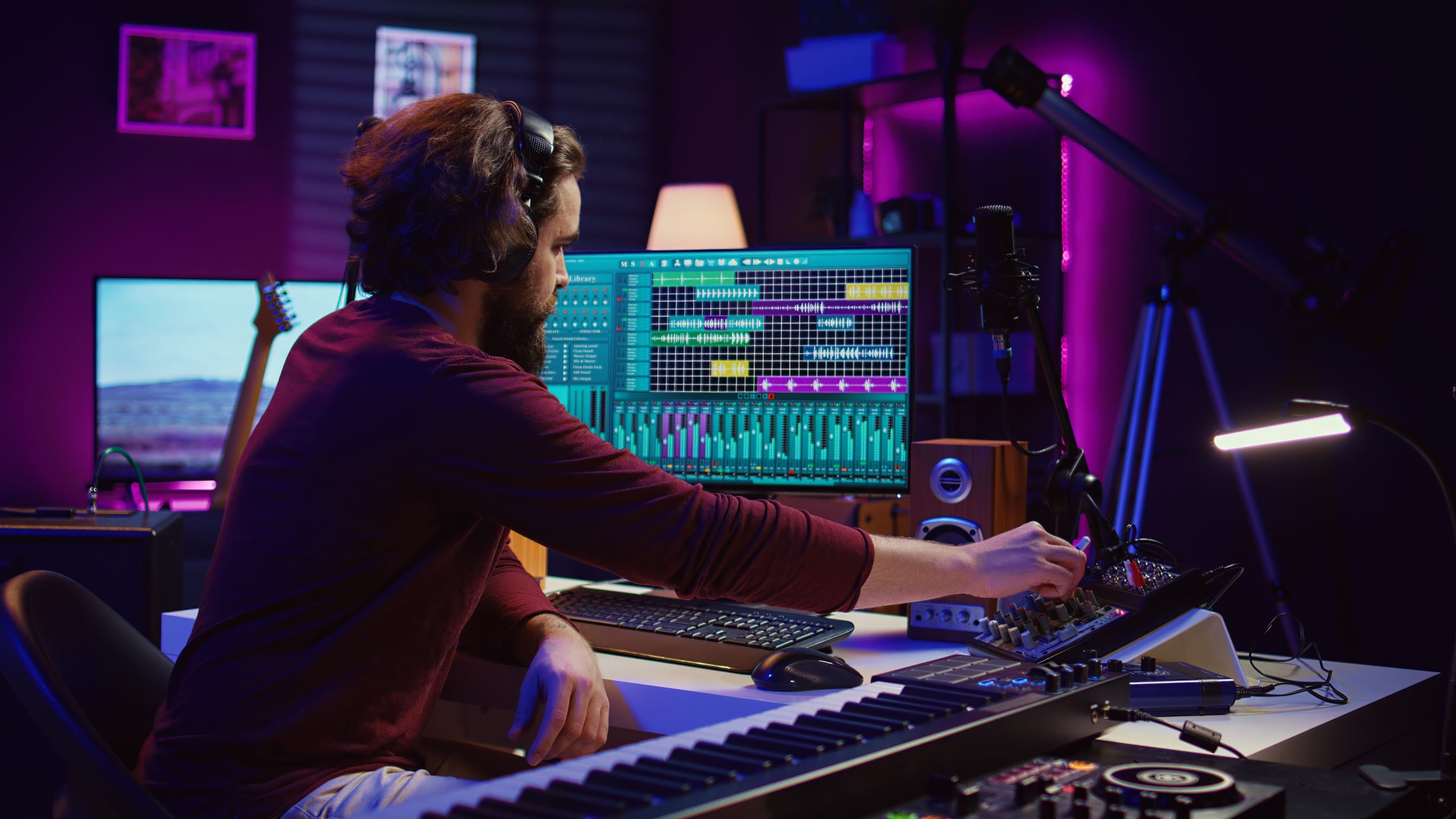
High-quality audio is essential to stand out from the competition. Listeners expect clear, engaging sound, and poor-quality audio can quickly turn them away. Whether you’re recording in a professional studio or remotely, investing in top-tier podcast audio production ensures a polished, professional final product.
Importance of Quality Audio in Podcasts

First Impressions Count
Poor audio at the start can drive listeners away. Clear, professional sound sets the tone and keeps them engaged.
Keeping Listeners Engaged
Clean, consistent audio helps audiences stay focused. Editing services remove noise and distractions, boosting clarity and retention.
Tools for Enhanced Quality
To achieve professional audio quality, you need the right tools and techniques:
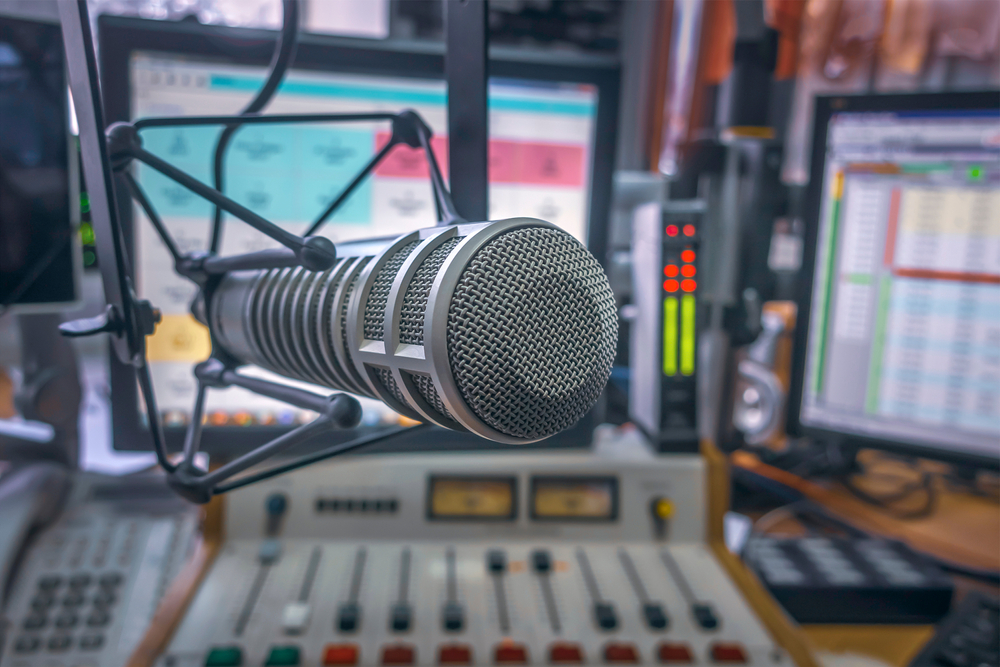
- Microphones – Investing in a high-quality dynamic or condenser microphone significantly improves sound clarity.
- Pop Filters and Windscreens – These help reduce harsh sounds caused by plosives and wind interference.
- Audio Interfaces – External audio interfaces convert analog sound into a digital format with minimal distortion.
- Soundproofing – Recording in an acoustically treated space reduces echo and background noise.
- Podcast Sound Design – Adding subtle background music, sound effects, and transitions enhance the listening experience.
Common Mistakes to Avoid in Podcast Production
Skipping Sound Design
Neglecting music and effects can make your podcast feel flat. Thoughtful sound design adds depth and keeps listeners engaged.
Inconsistent Volume
Uneven audio between speakers frustrates listeners. Professional editing ensures smooth, balanced sound throughout.
Skipping Post-Production
Raw audio needs cleanup. Editing, EQ, and mastering turn rough recordings into polished, professional episodes.
The Role of ADR and Dubbing in Multilingual Media Production
In today’s entertainment and digital landscapes, the demand for multilingual recording has skyrocketed. Audiences across the globe expect high-quality content that resonates with them culturally and linguistically. Two critical tools making this possible are ADR (Automated Dialogue Replacement) and dubbing. These processes ensure that movies, TV shows, games, and corporate videos can effectively cross language barriers while preserving the original intent and emotion behind the performances.
Why ADR and Dubbing Matter
ADR improves unclear on-set audio while dubbing makes content accessible to global audiences. Both are key for clarity and worldwide reach.

Multilingual Content Challenges
Every language has unique rhythms and cultural nuances. Audio localization ensures that translated dialogue sounds natural and authentic.
Preserving Authenticity
Maintaining an emotional tone is vital. Proper voice sync ensures translated lines match lip movements and original performance.
Technical Essentials
High-quality ADR and dubbing require treated studios, precise timing, and expert mixing to match original audio conditions seamlessly.
Enhancing Localization with ADR and Dubbing
Teamwork in Multilingual Projects
Great dubbing requires close coordination between translators, directors, engineers, and actors to align timing, tone, and delivery.
Proven Success Stories
Top studios use expert ADR and dubbing to globalize anime, films, and ads—showcasing the power of skilled localization teams.
Looking Ahead
AI tools are rising, but human expertise in emotion, nuance, and sync will remain crucial for high-quality multilingual media.
The Evolution of Audio Post Production in Film and TV
Audio post-production has undergone a remarkable transformation since the early days of cinema. What began as rudimentary synchronization techniques has evolved into a sophisticated art form integral to storytelling in both film and TV. From analog tape splicing to immersive 3D audio environments, the evolution of film and TV sound design is a fascinating journey of creativity, technology, and innovation.
Milestones in Audio Post-Production

Early Sound Editing
The shift from silent films to “talkies” in the 1920s revolutionized cinema. Editors began splicing tapes and mixing audio, laying the groundwork for today’s post-production techniques.
ADR and Foley Take Off
By the 1950s–60s, ADR and Foley became key tools. Actors re-recorded lines for clarity, while Foley artists created realistic sound effects, adding depth and emotion to scenes.
Digital Sound Design
The digital revolution introduced DAWs like Pro Tools, allowing complex editing and real-time effects. This transformed sound design into a more precise and creative craft.
Emerging Trends in Audio Post-Production
3D and Spatial Audio
Technologies like Dolby Atmos create immersive soundscapes that deepen storytelling. Post teams must adapt to meet the rising demand for this realism.
AI in Sound Editing
AI tools now clean audio, match ambiance, and suggest effects—streamlining workflows so editors can focus on creativity, not repetition.
Rise of Sonic Branding
Brands are investing in custom sound to stand out. Sonic branding adds emotional impact and makes content instantly recognizable across media.
Work With Buttons Sound
As audio post-production advances, one thing stays the same: sound’s ability to influence emotion, mood, and narrative. From reel-to-reel beginnings to today’s 3D audio and AI tools, each breakthrough has deepened audience engagement and expanded creative possibilities.
At Buttons Sound, we’re proud to be part of this evolution—combining craftsmanship, technology, and a deep love of storytelling to deliver exceptional audio for film and TV. Contact us today!
Related Blog